Why Am I Still Hungry After Eating?
Why hunger can return after meals — and simple ways to feel more satisfied without complicated food rules.
You've finished lunch, but an hour later you're looking for something else to eat. Or perhaps you've had a decent dinner, yet still find yourself wandering back into the kitchen.
Sound familiar? It's easy to assume you haven't eaten enough or that you need more willpower. But hunger isn't quite that straightforward.
The foods we choose, how much we eat, our sleep, activity and everyday routines can all influence when hunger returns. Understanding a few simple things can help you make more satisfying choices — without complicated diets or counting every calorie.
Guide index
Why hunger returnsFeeling satisfiedSleep, activity & drinksEveryday food choicesNotice your patternsThe bigger picturePersonalised supportReal Food guidesWhy am I hungry again so soon?
First, feeling hungry again isn't necessarily a problem. If you've eaten very little, been more active than usual or simply need another meal, hunger is a normal signal.
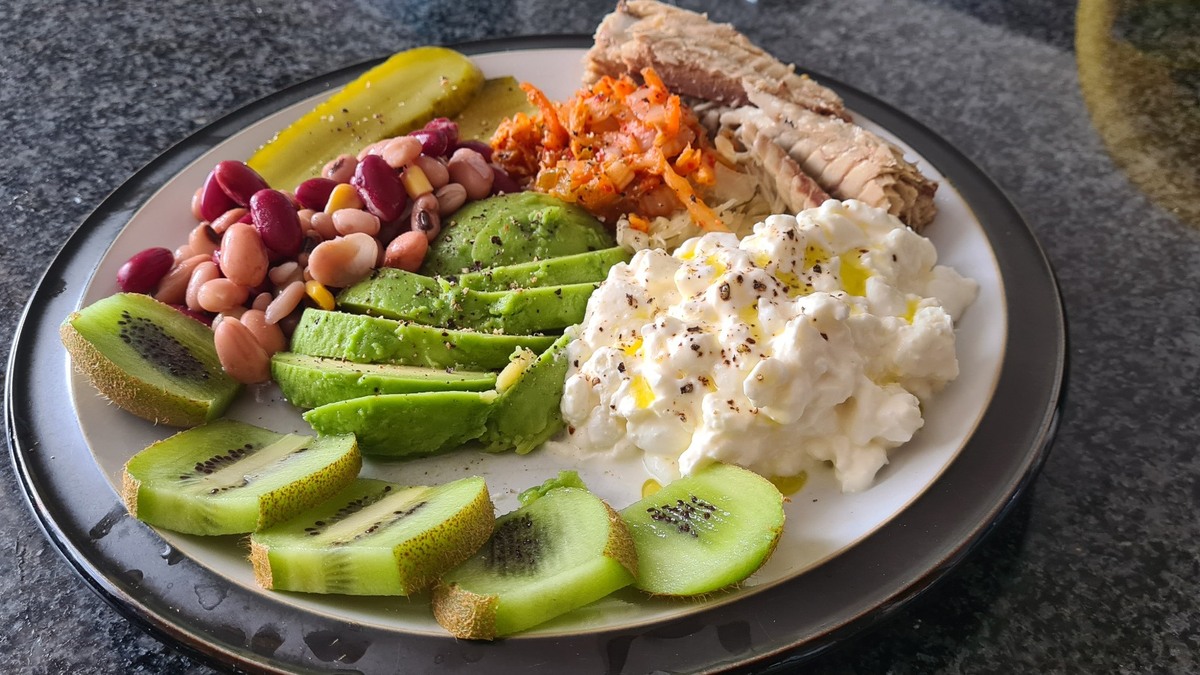
But the size of a meal can be misleading. A huge bowl of lettuce and cucumber might look filling, yet provide much less energy than a smaller meal with beans, potatoes, vegetables and olive oil.
Our stomach, gut and brain all help us recognise hunger and fullness. Researchers, including those involved in the ZOE PREDICT studies, have found that people can respond differently to similar meals. That doesn't mean you need to track your blood sugar. It means paying attention to which meals actually satisfy you.
A full-looking plate and a satisfying meal aren't always the same thing.
Consider a familiar afternoon: you have lunch at your desk, return to work and soon find yourself thinking about the biscuits in the kitchen. That might mean lunch was too light, but it could also be the result of a rushed meal, a tiring morning or simply that you are ready to eat again. The useful question is not “How do I stop being hungry?” but “What is this hunger telling me?”
It can help to distinguish feeling comfortably full straight after a meal from staying satisfied until your next one. A large volume of food may fill your stomach temporarily, while the overall mix of foods and energy in the meal can influence how long that satisfaction lasts. There is no single timetable everyone should follow.
What helps you feel satisfied after a meal?
Rather than focusing on one nutrient, think about the meal as a whole. Does it contain enough food and a useful mix of ingredients?
Protein from foods such as eggs, yoghurt, fish, tofu, beans or lentils can help with fullness and supports muscle maintenance. Fibre-rich foods — including vegetables, fruit, oats, beans and wholegrains — can also help meals feel satisfying.
Different fibres work in different ways. Some affect digestion, while others help nourish our gut bacteria. This is one reason variety matters for digestive and wider health, although no single fibre guarantees you'll feel full.
Carbohydrates and fats matter too. Potatoes, rice, wholegrain bread, nuts, olive oil and other everyday foods provide energy and help make meals enjoyable. If a meal is simply too small for your needs, adding more protein alone may not solve the problem.
For example, porridge made with oats, milk or a fortified alternative, topped with fruit and nuts, brings together several useful elements. The oats and fruit contribute fibre; the milk or alternative and nuts may provide protein; and the meal supplies energy. It is not a formula you must copy — just a reminder that combinations often work better than concentrating on one ingredient.
Whole foods also differ in how much chewing they require and how quickly we tend to eat them. An apple, for instance, is not experienced in quite the same way as a glass of apple juice. That does not make juice forbidden; it helps explain why food texture and form can matter alongside nutrients.
If you often feel hungry after a meal, check the basics before buying specialist products: was it substantial enough, did you enjoy it, and did it include a range of foods? More fibre can be helpful, but increase it gradually if you are not used to it, and keep up your fluid intake.
Could sleep, activity or hydration play a part?
Think about how you feel after a poor night's sleep. You might find yourself wanting more snacks or feeling less satisfied. Research suggests that too little sleep can influence appetite and how much we eat, although everyone responds differently.
Being more active than usual can increase your need for food. And sometimes we eat because we're stressed, bored or following a familiar routine — not because we're physically hungry. That's normal too; the aim is to notice patterns, not judge yourself.
What about thirst? It's sensible to drink regularly, especially when it's hot or you're active. But the popular claim that hunger is usually thirst in disguise isn't supported as a general rule. If you're hungry, water isn't a substitute for food. Tea and coffee also count towards your fluid intake, although water is a good everyday choice.
Sleep is a good example of why looking at the whole day matters. After a late night, you may notice that snacks seem more tempting or that your normal breakfast does not satisfy you in the same way. Rather than treating that as a failure of discipline, consider whether improving your sleep routine would make healthy eating easier.
The same applies to activity. A day spent gardening, walking for several hours or doing a demanding workout may leave you needing more food than a quieter day. There is no prize for ignoring genuine hunger after using more energy.
With drinks, simple habits are usually enough: have water available, drink with meals and notice when you feel thirsty. Tea and coffee count as fluids too. Drinking more water will not reliably solve hunger caused by not eating enough.
What could you try in everyday life?
Think about a breakfast of plain toast that leaves you hungry by mid-morning. Adding eggs or yoghurt and some fruit might make it more satisfying. Or a light lunchtime salad could become a more substantial meal with beans, lentils, chicken or tofu, plus potatoes or wholegrain bread.
There's no need to weigh everything or follow a strict plan. Start by asking whether your meal includes enough food and a mixture of ingredients you enjoy.
Then look beyond the plate. Did you sleep poorly? Have you been unusually active? Have you had much to drink? Small observations can help you make changes that suit your own life.
If you regularly buy a sandwich at lunchtime and feel hungry soon afterwards, you do not necessarily need to stop buying sandwiches. You could try one with a more substantial filling and add fruit, yoghurt or a side of vegetables. The best change is often one that fits what you already do.
At dinner, imagine a plate of vegetables and a small portion of fish or tofu that leaves you searching the cupboards an hour later. Adding potatoes, rice or another satisfying source of energy might help. Eating well is not about making every meal as light as possible.
You can also slow down enough to notice whether you are enjoying the meal and how you feel afterwards. You do not need to eat at a prescribed speed or practise a complicated technique; simply giving yourself a little space to eat can be useful on rushed days.
What do your own meals tell you?
Instead of following another food rule, compare two meals you eat regularly: one that keeps you comfortably satisfied and another that leaves you searching for a snack soon afterwards.
You might notice that you feel more satisfied after breakfast when it includes something substantial, or that you snack more on days when you skip lunch. Perhaps a short night changes your appetite, or you need a bigger dinner after an active day. These are clues, not rules.
Try one change for several days, without judging every moment of hunger. If it helps, keep it. If not, try something else. The aim is to find a way of eating that supports your energy, enjoyment and health in your own circumstances.
Try changing just one thing about a meal that isn't working for you. See how you feel, and adjust from there.
Food is part of the bigger picture
What we eat, how we move and the everyday habits we build all influence our health. These are the three connected pillars of DHG Fitness, and none needs to be perfect.
The goal isn't to stop feeling hungry. It's to understand your hunger and nourish yourself well.
If hunger is new, unusually intense or persistent — especially with unexplained weight changes, excessive thirst or frequent urination — speak to a healthcare professional. This guide is general information, not a diagnosis.
Want help putting this into practice?
I'm David Gordon. Through DHG Fitness, I help people build strength, improve fitness and develop healthier everyday habits with practical, personalised coaching.
If you'd like help making changes that fit your goals and lifestyle, you're welcome to get in touch for a free introductory chat.
Sources and further reading
Selected sources behind this guide:
- PREDICT study in Nature Metabolism (2021)
- Research on hunger and thirst
- British Dietetic Association: Fibre
- British Dietetic Association: Fluid, water and drinks
This guide provides general educational information, not individual medical advice. External sources open in a new tab.